
Chiropractic and Massage: Why Combining Therapies Can Speed Post-Accident Recovery
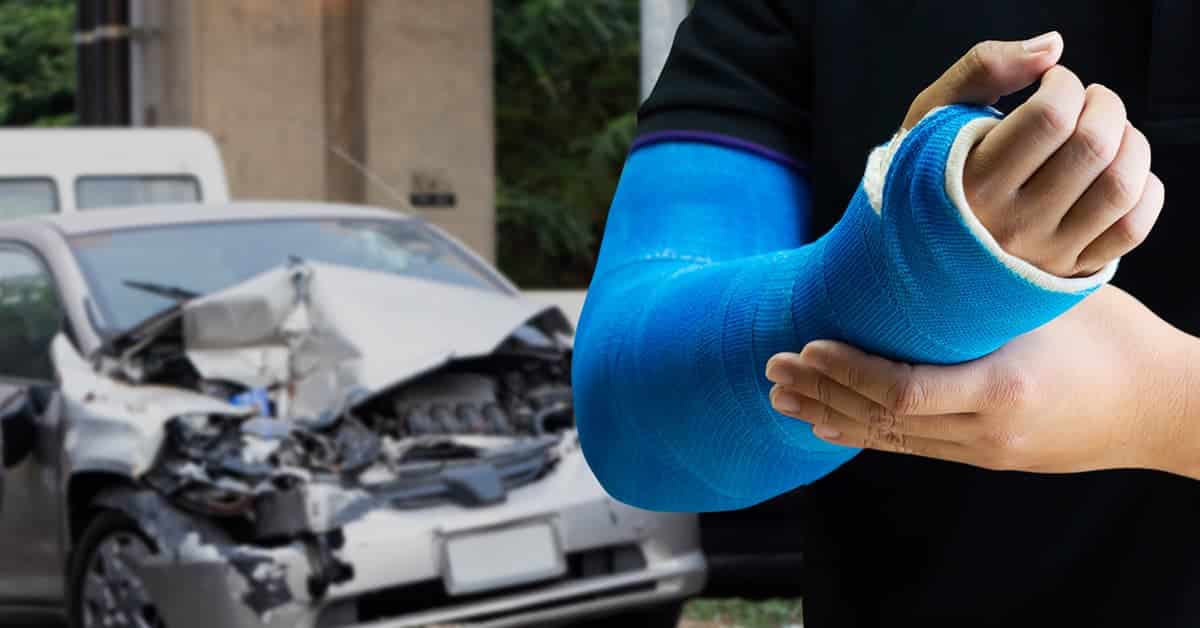
When you’re recovering from a car accident, your body is dealing with multiple layers of injury. Your joints are restricted and misaligned. Your muscles are in spasm, protecting the injured areas. Soft tissues are inflamed and developing scar tissue. This irritates your nervous system and causes it to be on high alert, causing you to maintain tension patterns that were supposed to be temporary.
Trying to address all of this with a single treatment approach is like trying to build a house with only a hammer. You might make some progress, but you’re missing essential tools that would make the job faster, easier, and more complete.
This is why Oregon City chiropractors increasingly recognize that the fastest, most thorough recovery from auto accident injuries comes from combining chiropractic care with massage therapy. These complementary approaches target different aspects of your injury and work to enhance each other’s effects.
Here’s why this combination matters and how it can transform your recovery timeline.
Understanding What Each Therapy Does Best
Before exploring how chiropractic and massage work together, it helps to understand what each approach targets and excels at.
Chiropractic Care: Joint Function, Alignment, and Nervous System Repair
Chiropractors focus on the biomechanics of your spine and joints, which remove the pressure on your nervous system. After an accident, the impact forces your vertebrae out of their normal alignment and creates restrictions where joints should move freely. These misalignments and restrictions don’t just cause local pain. They alter how your entire body moves and functions as well as how the nervous system communicates from the brain to the body.
Chiropractic adjustments restore proper joint motion and alignment, which:
- Reduces nerve irritation and improves nervous system function.
- Allows your body to move through its normal range of motion.
- Removes mechanical stress that perpetuates inflammation.
- Restores proper biomechanics throughout your spine.
- Addresses the structural foundation of your injury.
What chiropractic does exceptionally well is correct the “framework” (i.e., the bones, joints, and alignment that form your body’s structural system).
Massage Therapy: Soft Tissue Healing and Muscle Function
Massage therapists work with the muscles, fascia, tendons, and ligaments, all the soft tissues that move your bones and joints. After an accident, these structures experience trauma that creates:
- Muscle spasms and guarding patterns.
- Fascial adhesions and restrictions.
- Trigger points that refer pain to other areas.
- Inflammation and reduced circulation.
- Scar tissue formation that limits flexibility.
Therapeutic massage addresses these soft tissue problems by:
- Releasing muscle tension and spasms.
- Breaking up fascial adhesions and scar tissue.
- Improving circulation to speed healing.
- Reducing inflammation in injured tissues.
- Calming the nervous system’s stress response.
What massage does exceptionally well is address the “soft” structures (aka the tissues that need to relax, lengthen, and heal for your body to function normally again).
Why Your Body Needs Both After an Accident
Joints and soft tissues are completely interdependent. You cannot effectively treat one without addressing the other.
Imagine your chiropractor adjusts a restricted vertebra in your neck, restoring proper joint motion. That’s excellent, except the muscles surrounding that joint have been in protective spasm for days or weeks. They’re tight, shortened, and full of trigger points. When those muscles remain dysfunctional, they pull that vertebra right back out of alignment. The adjustment doesn’t “hold” because the soft tissue isn’t supporting it.
Now flip the scenario. A massage therapist works to release all the tension in your neck and shoulder muscles. You feel more relaxed and loose, but the underlying joint restriction is still there. This irritates your nerves, which sends a signal to your muscles to remain tight. Your muscles try to move through a normal range, but they keep hitting that blocked joint. The tension returns quickly because the structural problem is forcing your muscles to compensate, as well as the irritated nerve is telling the muscles to be tight.
This is why combining therapies creates better outcomes. The chiropractic adjustment frees the joint, and the massage work allows the surrounding muscles to support that new alignment. The massage releases muscle tension, and the adjustment removes the mechanical restriction that was causing that tension in the first place.
The two approaches don’t just add to each other. They multiply each other’s effectiveness.
How the Combination Accelerates Healing
When chiropractic care and massage therapy work together in your recovery plan, several beneficial processes happen simultaneously:
Enhanced Treatment Response
Your body responds more favorably when both joint mechanics and soft tissue function are addressed. Adjustments are often gentler and more effective when muscles are relaxed rather than tense. Massage work penetrates deeper and creates more lasting change when joints are properly aligned and mobile.
Many patients notice that they’re less sore after chiropractic adjustments when massage is part of their treatment plan. The soft tissue work prepares your body for the structural corrections, making the entire process more comfortable.
Faster Inflammation Resolution
Both therapies reduce inflammation, but through different mechanisms. Chiropractic adjustments remove mechanical irritation and restore proper joint motion, which decreases inflammatory signals. Massage therapy improves circulation and lymphatic drainage, which helps your body clear inflammatory chemicals and bring healing nutrients to injured areas.
Together, they create a more rapid reduction in swelling, pain, and stiffness than either therapy achieves alone.
Better Pain Relief
Pain after a car accident comes from multiple sources: nerve irritation from joint misalignment, muscle tension and spasm, trigger points, inflammation, and your nervous system’s heightened sensitivity. Addressing only some of these pain generators provides incomplete relief.
The combination approach tackles pain from every angle. Whether you’re dealing with neck pain, back pain, shoulder pain, or headaches, treating both the structural and soft tissue components typically provides faster and more complete pain relief.
Prevention of Chronic Patterns
One of the most important benefits of combining therapies is preventing acute injuries from becoming chronic problems. When joint restrictions persist, your body develops compensatory movement patterns, and the nervous system remains irritated. When muscle tension remains unaddressed, it creates trigger points and fascial restrictions that outlast the original injury.
By simultaneously correcting structural problems and resolving soft tissue dysfunction, the combination approach prevents your body from “learning” these harmful patterns. Your tissues heal correctly, your movements stay normal, and you’re far less likely to deal with persistent problems months or years down the road.
Shorter Recovery Timeline
All of these factors together mean one thing that matters most to patients: you heal faster. The typical recovery timeline for conditions like whiplash or soft tissue injuries is often significantly shorter when both therapies are used in coordination.
This isn’t just about getting out of pain sooner (though that’s certainly valuable). It’s about returning to your normal activities, work, and life without lingering restrictions or recurring symptoms.
The Synergistic Effect: More Than the Sum of Parts
The relationship between chiropractic and massage isn’t just complementary. It’s synergistic. Each therapy enhances what the other can accomplish.
Massage prepares tissues for adjustment – When muscles are relaxed and soft tissue restrictions are reduced, chiropractic adjustments require less force, are more comfortable for the patient, and often produce better immediate results. The adjustment can focus on correcting the joint problem rather than fighting against protective muscle tension.
Adjustments enhance massage effectiveness – When joints are properly aligned and mobile, massage therapists can work more efficiently. They spend less time fighting against structural restrictions and more time addressing the soft tissue issues directly. The improved joint motion also allows muscles to respond better to massage work and maintain their relaxed state longer.
Both calm the nervous system – Your nervous system plays a crucial role in both pain perception and healing. Chiropractic adjustments have been shown to reduce nervous system stress responses. Massage therapy activates the parasympathetic nervous system, promoting relaxation and healing. Together, they create a more optimal neurological environment for recovery.
Combined treatment addresses compensation patterns – Injuries rarely affect just one area. A neck injury changes how you hold your shoulders. Back pain alters your gait. Your body develops a web of compensation patterns. The combination of chiropractic and massage allows practitioners to address both the primary injury site, and the secondary compensations throughout your body.
What This Looks Like in Practice
A comprehensive approach to post-accident recovery typically integrates multiple treatment modalities based on your specific injuries and how your body responds.
In the early stages after an accident, when inflammation and acute pain are highest, treatment might focus more heavily on gentle massage to reduce muscle guarding and prepare tissues for structural work. As inflammation decreases, chiropractic adjustments become more prominent to restore joint function and correct misalignments.
Throughout recovery, the balance shifts based on what your body needs. Some sessions might emphasize one therapy more than the other. The key is that both remain part of your treatment plan, working together at every stage.
Beyond chiropractic and massage, other supportive therapies often enhance recovery:
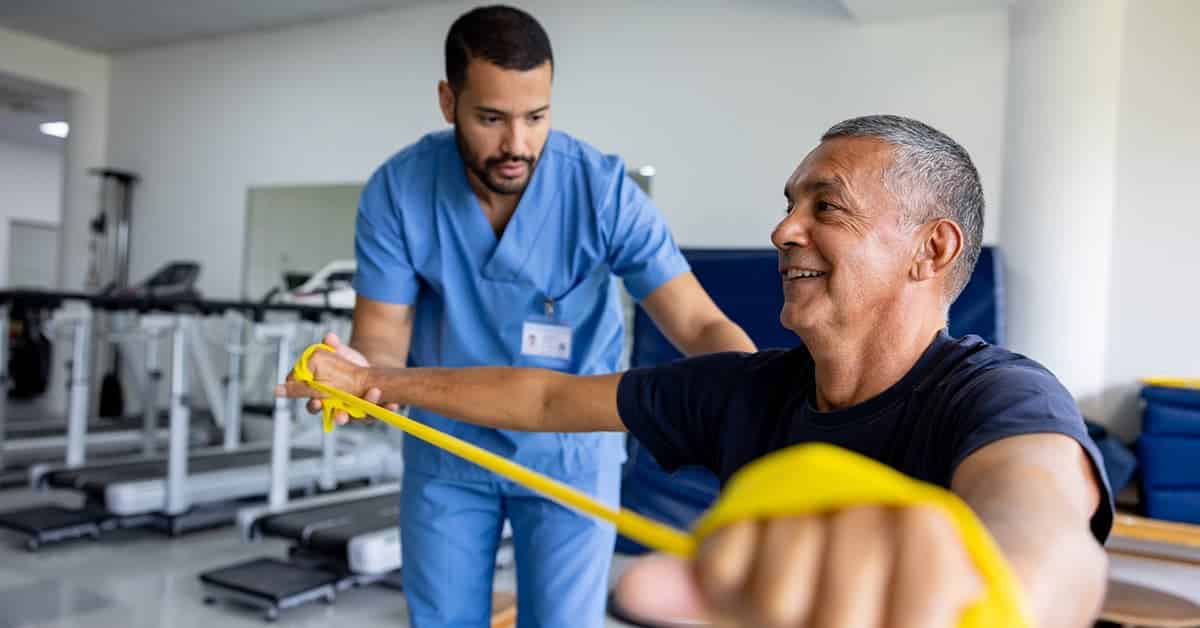
Therapeutic exercises – Specific movements and stretches help rebuild strength, improve flexibility, and reinforce the corrections made through hands-on treatment. Your chiropractor can provide exercises that complement both the structural and soft tissue work.
Lifestyle modifications – Guidance on posture, ergonomics, sleep positions, and activity levels helps prevent re-injury and supports the healing process between treatment sessions.
Ice and heat therapy – Strategic use of cold and heat at home can manage inflammation, reduce muscle tension, and enhance the effects of your in-office treatments.
The goal is a coordinated, multi-faceted approach where every element supports the others, creating the most efficient path to complete recovery.
Common Conditions That Respond Best to Combined Treatment
While the chiropractic-massage combination benefits most post-accident injuries, certain conditions particularly excel with this integrated approach:
Whiplash and neck injuries – The complex interplay of cervical joint restrictions and muscle spasm in whiplash makes combined treatment especially effective. Massage releases the protective muscle guarding while chiropractic restores the normal cervical curve and joint motion.
Upper back and shoulder tension – The thoracic spine and shoulder girdle involve numerous muscles, joints, and fascial connections. Addressing only the joints or only the muscles leaves significant dysfunction untreated.
Headaches and migraines – Post-accident headaches often result from both upper cervical joint problems and muscle tension in the neck and shoulders. Combined treatment addresses both sources of pain.
Lower back injuries – Back pain after accidents frequently involves both spinal misalignment and significant muscle involvement. The combination approach resolves both aspects more effectively.
Sciatica and radiating pain – When nerve irritation creates sciatica symptoms, both the structural compression and the muscle tension along the nerve pathway need attention for optimal relief.
The Convenience Factor
While the clinical benefits of combining chiropractic and massage are clear, there’s also a practical advantage: convenience. When both services are available at the same clinic, you don’t need to coordinate care between different providers at different locations.
At Complete Health Chiropractic Center in Oregon City, having both chiropractic and massage therapy under one roof means your care team communicates seamlessly. Your chiropractor and massage therapist can coordinate their approaches, adjust treatment plans based on your progress, and ensure every session builds on the previous one.
This integration also simplifies the logistical challenges of recovery. You’re already taking time away from work and daily responsibilities for treatment. Being able to receive multiple therapies in one visit makes the process more manageable.
What to Expect in Combined Treatment
If you’re considering this integrated approach, here’s what typically happens:
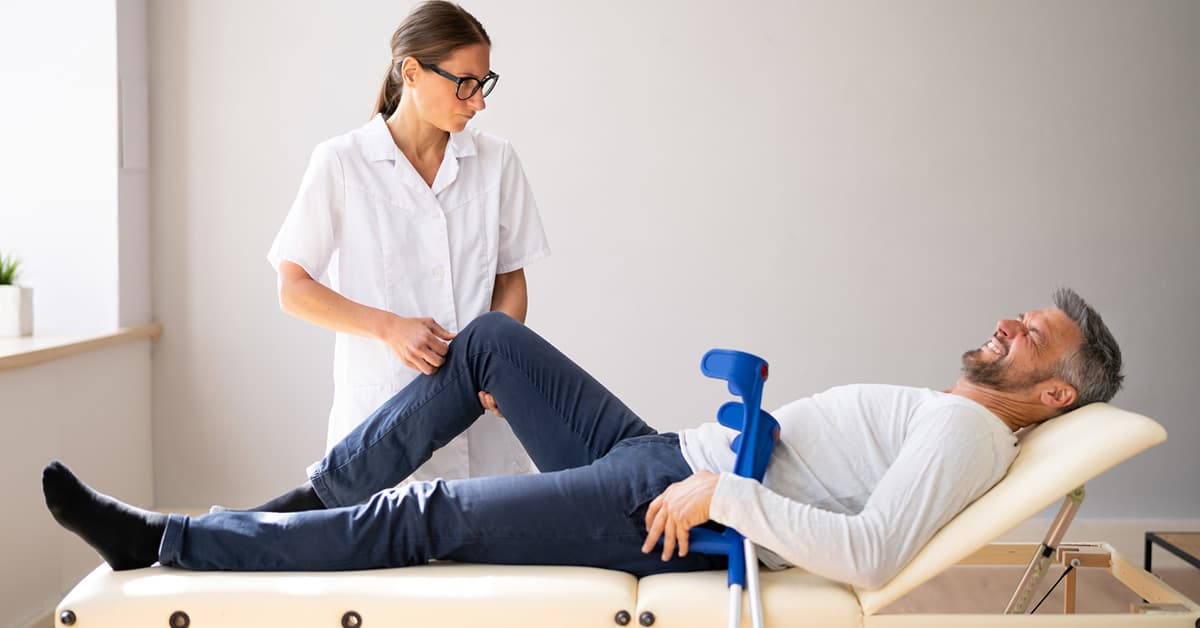
Your initial evaluation includes assessment of both structural alignment and soft tissue condition. Your chiropractor examines joint motion, alignment, and nervous system function, while also evaluating muscle tension patterns, trigger points, and areas of fascial restriction.
Based on these findings, a treatment plan develops that outlines how chiropractic and massage will work together in your recovery. Some sessions might include both therapies, while others focus more heavily on one approach depending on what your body needs at that stage of healing.
Throughout treatment, your care team monitors your progress and adjusts the plan accordingly. As certain issues resolve, the focus shifts to remaining problems or to prevention and maintenance wellness care.
Beyond Accident Recovery: Long-Term Benefits
While we’re focusing on post-accident recovery, it’s worth noting that the benefits of combining chiropractic and massage extend beyond injury treatment. Many patients continue integrating both approaches into their wellness routine because they’ve experienced how well these therapies work together.
Regular chiropractic care maintains proper spinal alignment and joint function. Periodic massage work prevents the buildup of muscle tension and stress. Together, they support optimal body function, help prevent new injuries, and contribute to overall health and well-being.
Making the Most of Combined Treatment
To get the best results from integrated chiropractic and massage therapy:
Follow your treatment plan – Consistency matters. Sporadic treatment provides sporadic results. Your tissues heal best with regular, coordinated care.
Communicate with your providers – Let both your chiropractor and massage therapist know how you’re feeling, what’s improving, and what’s still problematic. This feedback helps them fine-tune your treatment.
Do your home care – The exercises, stretches, and self-care strategies your providers recommend extend the benefits of your in-office treatments and speed your recovery.
Give it time – While combined treatment typically speeds recovery, healing still takes time. Trust the process and stay committed to your care plan.
Stay hydrated – Both chiropractic adjustments and massage therapy benefit from good hydration, which helps your body eliminate inflammatory chemicals and maintain tissue health.
Your Recovery Deserves a Complete Approach
Car accidents create complex, multi-layered injuries that affect joints, muscles, fascia, nerves, and your overall body function. Expecting any single therapy to address all of these components isn’t realistic.
The combination of chiropractic care and massage therapy provides a comprehensive solution that targets every aspect of your injury. It’s not about choosing between structural correction or soft tissue work. Your body needs both to heal completely and efficiently.
At Complete Health Chiropractic Center, we’ve seen countless patients recover faster and more completely when treatment addresses both the framework and the soft tissues. Our integrated approach to auto accident care combines the expertise of skilled chiropractors and experienced massage therapists working together toward your complete recovery.
Whether you’re dealing with whiplash, neck pain, back pain, or any other post-accident injury, you deserve treatment that addresses every dimension of your condition.
Contact us today at (503) 557-9266 to schedule your consultation, and experience the difference that integrated, multi-modal care can make in your healing journey.